.avif)




There are destinations you visit, and then there are places that quietly change you. As the Regional Manager for Under30Experiences, I’ve seen a lot of the world, but Oaxaca during Día de los Muertos remains the soul of our Mexico trips. It’s a place where the city becomes a living expression of memory, love, and tradition.
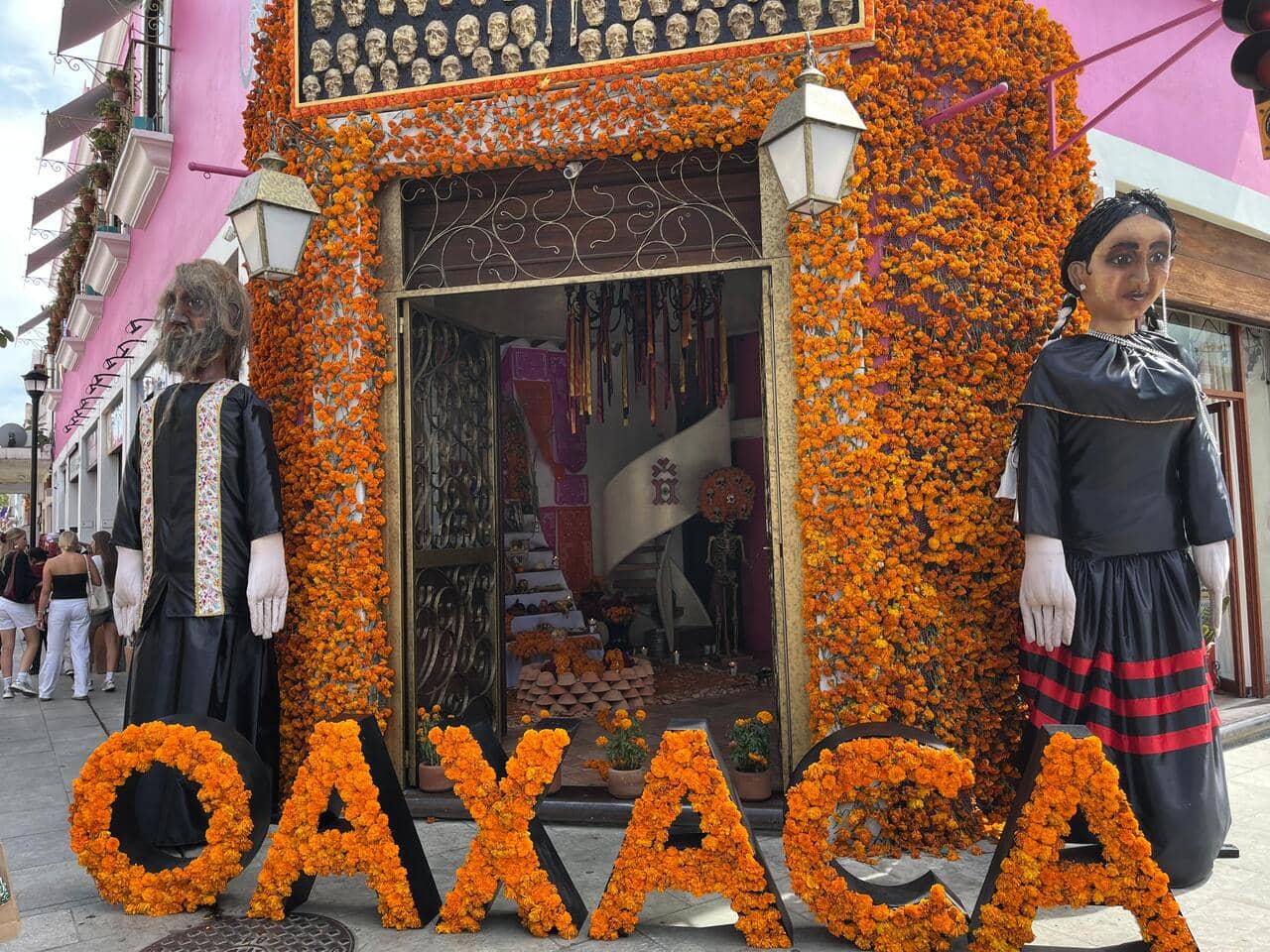
In Oaxaca City, time slows down. You notice the orange marigold petals (cempasúchil) scattered across cobblestone streets, the sweet scent of copal incense, and the local families carefully tending to their altars.
In October, I had the privilege of hosting fourteen travelers on this journey. We didn't just observe the tradition; we became a part of it.
Why Oaxaca City is the Heart of the Tradition
Oaxaca may look small on a map, but culturally, it carries enormous weight. During Día de los Muertos, the entire city transforms. This isn’t a performance for tourists—it’s a lived experience.
The Energy of the Comparsas (Parades)
While much of the holiday is reflective, you can't talk about Oaxaca without mentioning the comparsas. These are the vibrant, neighborhood-led parades that pulse through the streets. Imagine brass bands, people in incredible costumes (look out for the viejitos and catrinas), and dancing that lasts well into the night. Our group found ourselves swept up in the rhythm, mezcal in hand, celebrating the joy of being alive.
Creating Our Own Altar
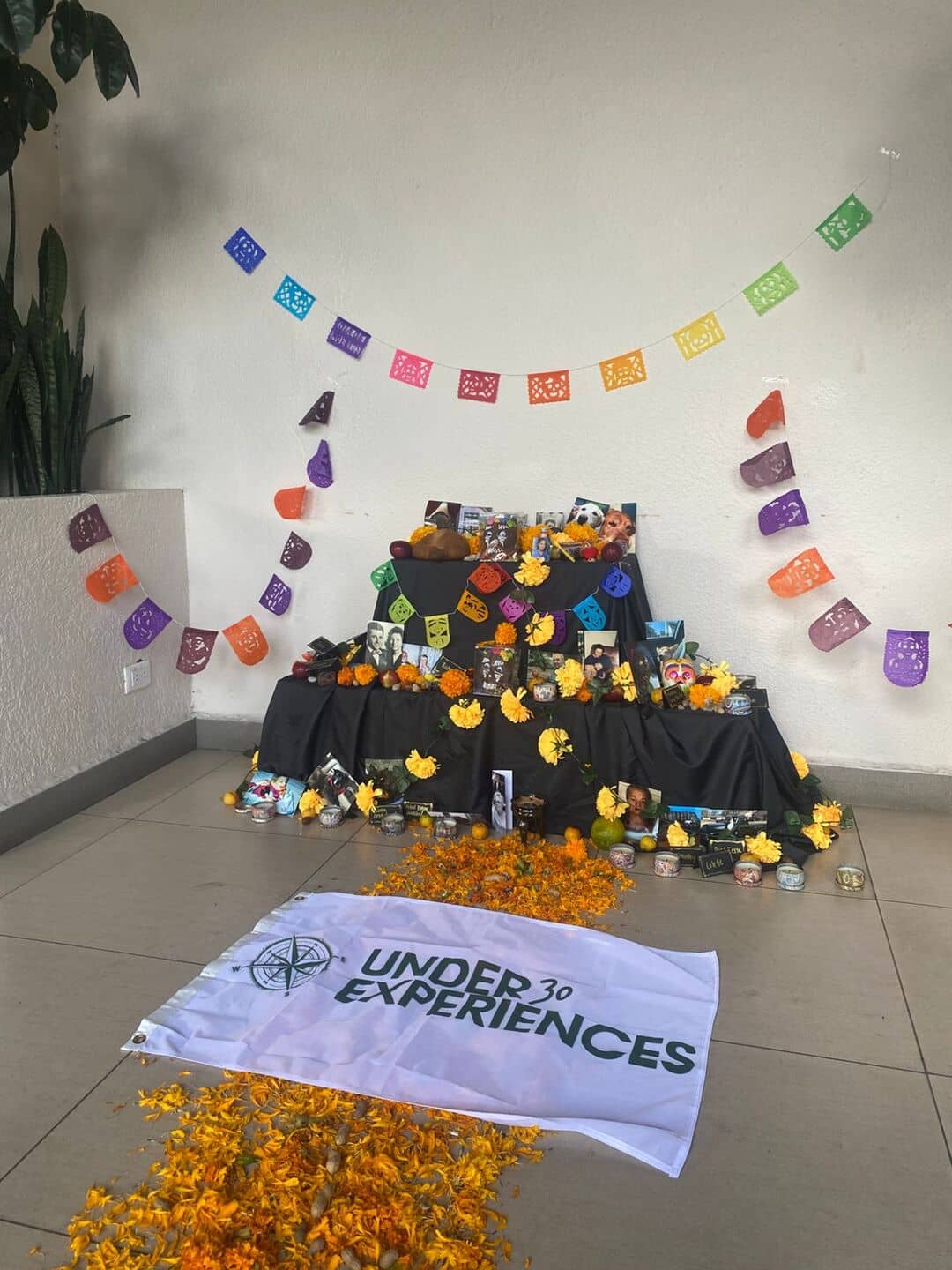
One of the most meaningful moments was when our group created our own ofrenda. What began as a cultural activity became deeply personal.
We shared photos of family members and even beloved pets. Our lead guide, Gonzalo, walked us through the symbolism:
- Candles: To light the path home.
- Copal: To cleanse the space.
- Pan de Muerto: To nourish the visiting spirits.
Placing those photos together turned our group of fourteen strangers into a small community.
Visiting the Cemeteries: A Celebration of Life
We visited the local cemeteries at night, which is often the highlight of the trip. Far from being somber, the atmosphere was electric. Families gathered around graves to play music, share meals, and tell stories of their ancestors. In Oaxaca, a cemetery isn't a place of mourning; it’s a place of reunion. Witnessing this firsthand reshaped how many of our travelers think about loss.

Oaxaca Food: The "World Capital of Mole"
You can’t experience Oaxaca without the food. We spent our days ducking into local markets for handmade tortillas and nights lingering over long dinners.
One of our standout nights was at a Michelin-starred restaurant where the chef used traditional ingredients to tell the story of the holiday. It was the perfect bridge between ancient tradition and modern culinary art.
A Note on Our Mexican Guide, Gonzalo
I want to give a special shoutout to Gonzalo. He is more than just a guide; he is the bridge between our travelers and the local community. Whether he was navigating us through the crowded markets or explaining the nuances of different mezcals, he ensured everyone felt safe and deeply connected to the culture.

Frequently Asked Questions: Day of the Dead in Oaxaca
- What is the best way to experience Day of the Dead in Mexico? Oaxaca City is widely considered the cultural heart of the tradition, offering a "lived experience" rather than a performance for tourists.
- What are the "comparsas" in Oaxaca? Comparsas are vibrant, neighborhood-led parades featuring brass bands, incredible costumes like catrinas, and dancing that lasts late into the night.
- Are visitors allowed in the cemeteries during the holiday? Yes, families in Oaxaca gather at cemeteries to play music and share meals, creating an atmosphere of reunion rather than mourning. Visitors should always remain respectful of those tending to graves.
- What is the significance of the altars (ofrendas)? Altars are deeply personal displays that include candles to light the path home, copal incense to cleanse the space, and Pan de Muerto to nourish visiting spirits.
- Is Oaxaca good for food lovers? Oaxaca is known as the "World Capital of Mole" and offers a range of culinary experiences from handmade market tortillas to Michelin-starred dining.
What is the weather like in Oaxaca during Day of the Dead? The weather is typically mild and pleasant, with daytime temperatures ranging from 68°F to 86°F. However, nights can be quite chilly, with lows dropping to 49°F or 50°F, a phenomenon locals sometimes call frío de muertos (cold of the dead).
What should I pack for the celebrations?
- Layers: Bring t-shirts for the sunny days and a warm sweater, fleece, or light jacket for the cold evening cemetery visits.
- Footwear: Comfortable sneakers or walking shoes are essential for the uneven cobblestone streets; avoid heels.
- Essentials: A small daypack, reusable water bottle, and a portable power bank for your phone are highly recommended.
Should I bring anything for the community altar? Many travelers find it meaningful to bring printed photos of their own family members or pets to contribute to the group ofrenda. You can easily purchase traditional items like marigolds and candles locally in Oaxaca.
Can I join a group trip for Day of the Dead? Under30Experiences hosts small-group trips for travelers ages 21-35, led by local experts like Regional Manager Maricruz and our Mexican Trip Leader Gonzalo.
Join Us Next Year
Don’t Just Observe the Tradition—Become Part of It. If you're looking for a connection that goes deeper than a photo op, join our next Oaxaca Day of the Dead expedition. Spaces for our 2026 small-group trips are limited.
View the full itinerary for our Oaxaca Day of the Dead Trip here.