.avif)


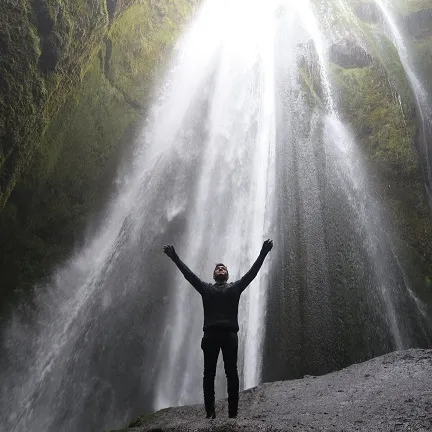



“Oh my goodness! You’re going to Colombia alone?! But you don’t even speak Spanish. You’re so brave!”
As a solo female traveler, I hear this sentiment all the time, and I have to say, it’s an old mindset. Don’t let other people’s outdated views of the world stop you from traveling.
Colombia was once considered one of the most dangerous countries in the world, but it has undergone an incredible transformation. Today, it’s one of South America’s most vibrant, colorful, and exciting destinations, with a growing tourism scene. It draws people in with lively cities, Caribbean coastlines, and lush jungle landscapes.
Even Medellín, once associated with Pablo Escobar’s criminal empire, is now a thriving hub for digital nomads and remote workers.
Colombia has evolved into a place full of culture and adventure, and I was so excited to experience it for myself.
And yes, I arrived alone, but I wasn’t really alone. I joined a small-group trip, traveling with other like-minded people and a local guide who handled logistics, including hotels, transportation, and speaking Spanish.
If you’re still unsure, go ahead and read Matt’s 11 Safety Tips For Traveling To Colombia.
Why You Should Travel To Colombia
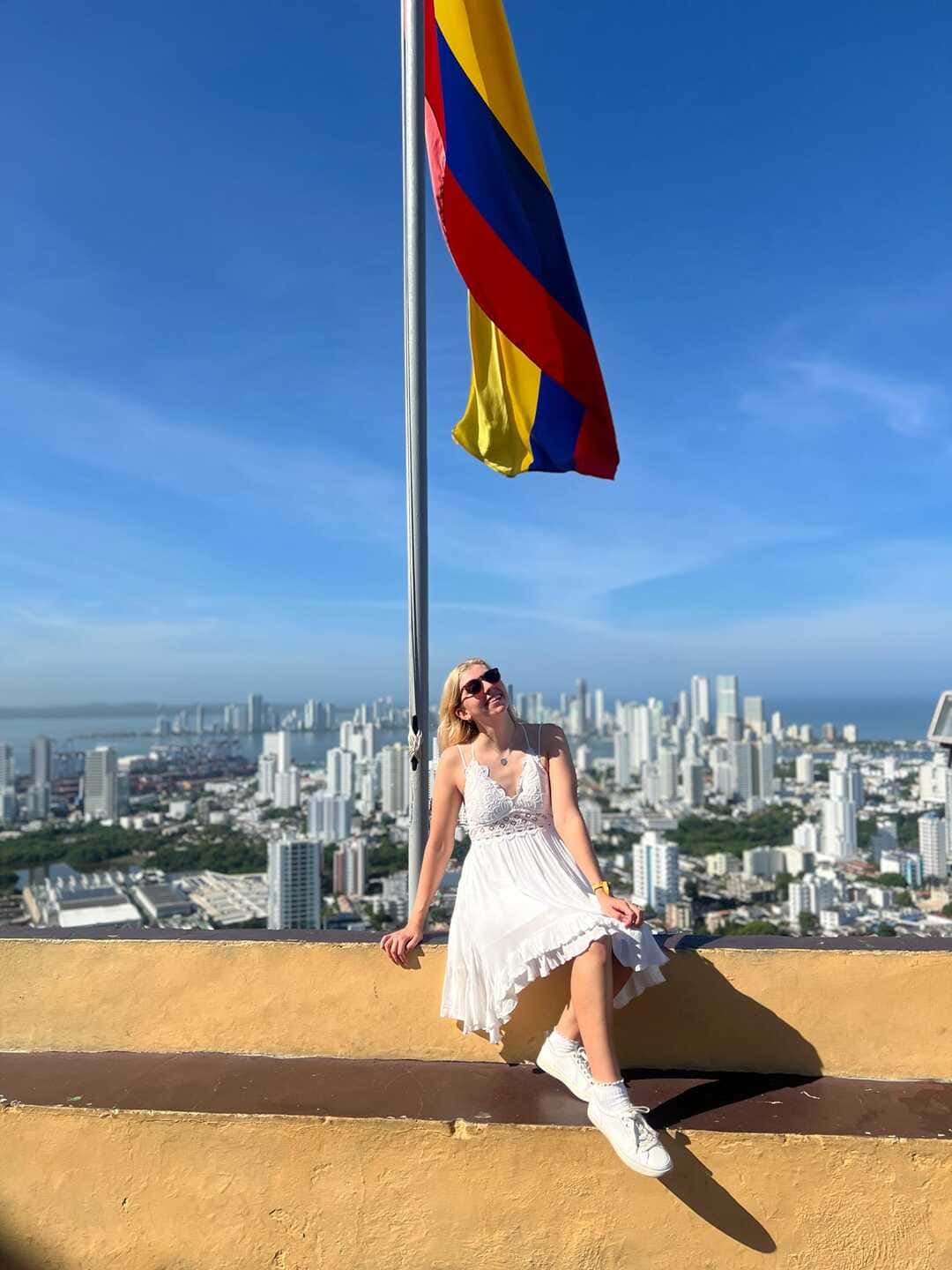
Small-group travel with Under30Experiences gave me the confidence to fully enjoy Colombia, while still having the independence I love as a solo traveler. It’s so fun to join a group of people who are equally excited about a destination.
What I loved about this group was how differently Colombia spoke to each of us.
I came for the colorful buildings and murals that I’ve seen photos of. I love a good mural walk through a bright, cheerful town, and Cartagena absolutely delivered.

Another woman in my group was most excited about visiting Palenque, the first free slave town in the Americas. Established in the early 17th century as a refuge for escaped slaves, it’s a place deeply rooted in African heritage and history. If this sparked your interest, read fellow U30X traveler Eric’s recap of Palenque.
Someone else had one goal: Cabo San Juan in Tayrona National Park. She has heard stories about it and wanted to see it for herself. After a two-hour hike through the jungle, we arrived at the hidden beach. Hot and humid, we cooled off with a swim in the ocean.
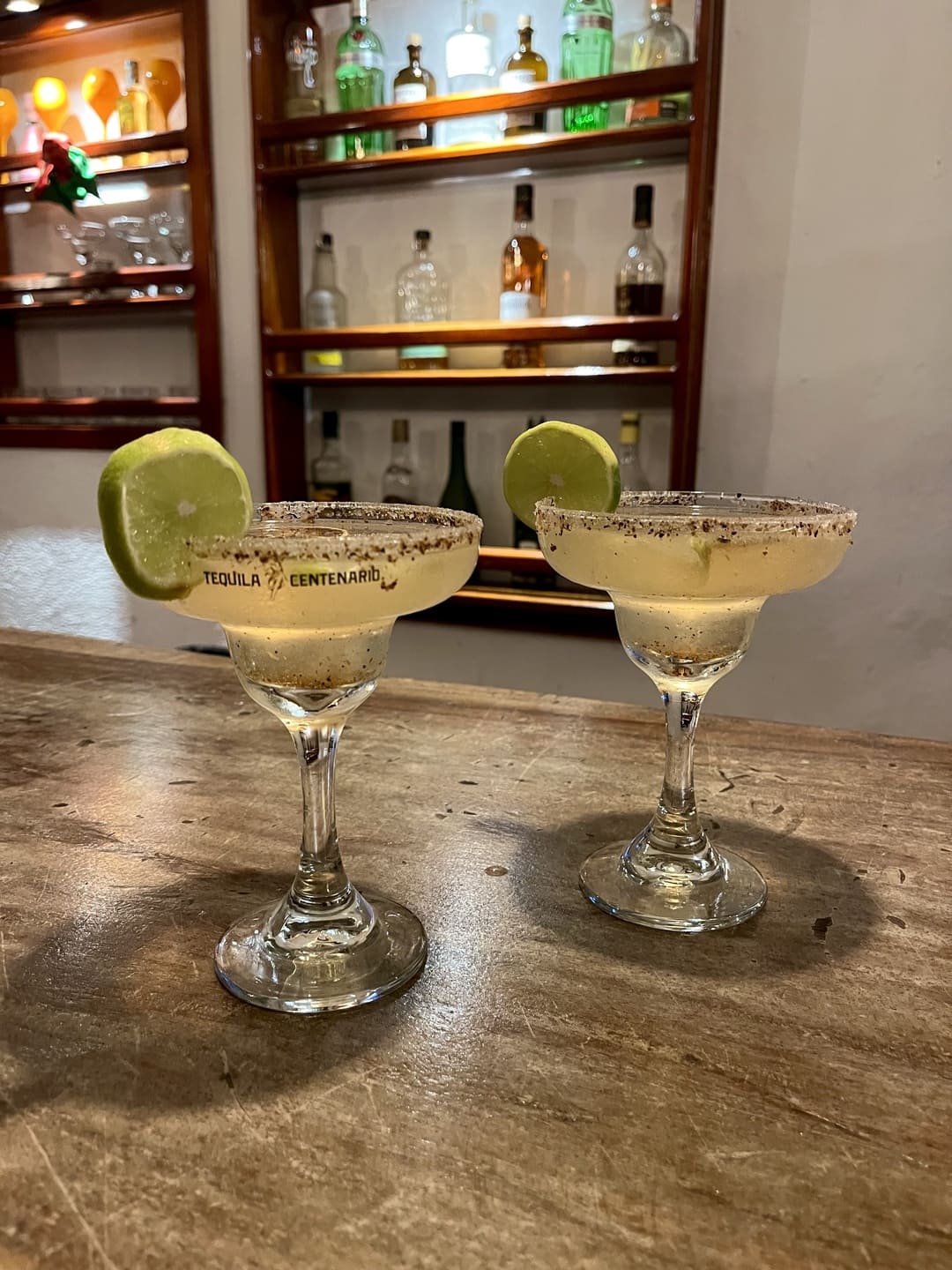
Another person simply wanted a vacation that actually felt like a vacation. She wanted sun, good food, and a slower pace of life. And she found exactly that! U30X’s Colombia itinerary has lots of activity, but also plenty of time for relaxation. Together we enjoyed a local cocktail made with agraz, a dark purple Andean berry native to Colombia, and tequila. It comes with some surprising health benefits.
That’s the magic of group travel. Everyone arrives with different expectations, but you share in each other’s excitement and leave with unforgettable memories and new friendships.
At a Glance: Traveling to Colombia

An itinerary to Colombia wouldn’t be complete without coastal cities, mountains, jungles, and beaches. You need a little bit of dancing, a lot of good food, and a slower pace of life to have a good time.
- Cartagena: Colorful streets, vibrant nightlife, and Caribbean charm
- Santa Marta: A laid-back coastal city with local favorites
- Tayrona National Park: Jungle hikes, wildlife, and secluded beaches
It’s easy to plan a trip to Colombia with culture, adventure, and relaxation.
Planning Your Trip To Colombia
- Cartagena
- Santa Marta
- Tayrona National Park
- Extending Your Time In Colombia
- Everything You Need To Know Before Your Trip To Colombia
- Frequently Asked Questions: Colombia Edition
- Vámonos a Colombia
Cartagena

Best known for its colorful colonial architecture, Cartagena was my favorite city in Colombia. It’s a must-visit.
During the day, explore the colorful neighborhoods and discover murals, pastel-colored houses, and the iconic rainbow umbrella street (Calle de las Sombrillas).
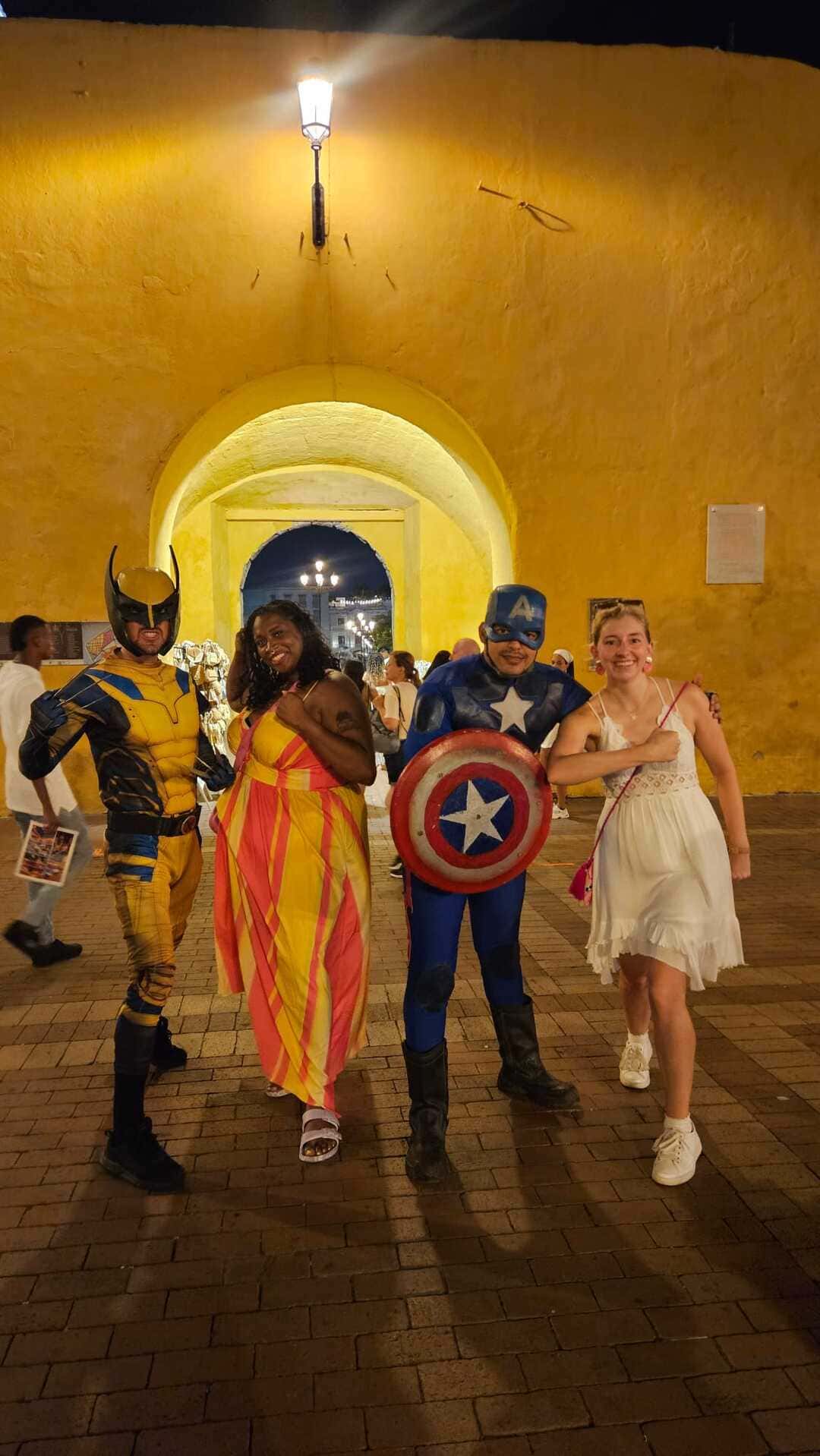
At night, the city comes alive. Rooftop bars fill up, and music spills into the streets. We went to a salsa bar one night, and I got to dance with the locals. I went in feeling confident (I’ve taken a dance class or two) and was quickly humbled. The locals were very happy to give me tips while my group laughed from the sidelines.
Traveler Tip: If you’re a light sleeper, pack earplugs. Cartagena parties all night. The upside? If you wake up early, you’ll have the streets entirely to yourself for a little photo walk.

We also had a guided tour of San Felipe de Barajas Fort, a hilltop fortress built to defend the city. The strategic location meant soldiers could see attackers coming over land or by sea. The pieces of the fort are connected by underground tunnels that you can walk through. Deep in the tunnels, we learned how soldiers would use the fortress to their tactical advantage, hiding in the dark alcoves and ambushing unsuspecting intruders.
One evening, we took a sunset cruise across Cartagena Bay. We watched the sun dip below the horizon, listened to music, and danced with our fellow passengers.
During free time, I took advantage of our close proximity to the Caribbean Sea and took a kayak out to explore the coast. The water was so clear that I could see straight to the bottom.
And of course, we had to do some shopping in Cartagena. The streets of Old Town are lined with vendors selling everything from beaded jewelry to colorful dresses. It can feel overwhelming at first. Our guide explained that if you look at something, they will try to sell it to you. But I think it’s all part of the experience. I picked up some colorful jewelry and a flamingo purse that I wore for the rest of the trip.
I think you can tell how much fun I had in Cartagena, but if you need more convincing, read why Cartagena should be at the top of your travel bucket list.
Santa Marta

A short flight from Medellín brought us to Santa Marta, a coastal city with a more relaxed, local feel. Set along the Caribbean Sea, Santa Marta blends Spanish colonial history with Afro-Caribbean culture. You can especially see this fusion in the food and music.
Speaking of food, I had my first arepa in Santa Marta. These corn cakes can be simple, usually filled with egg, or fancier, loaded with meats and cheese. As a vegetarian, I was happy with how many options I had. I enjoyed the Bandeja Paisa, a platter usually containing beans, rice, plantains, avocado, and either an egg or beef.
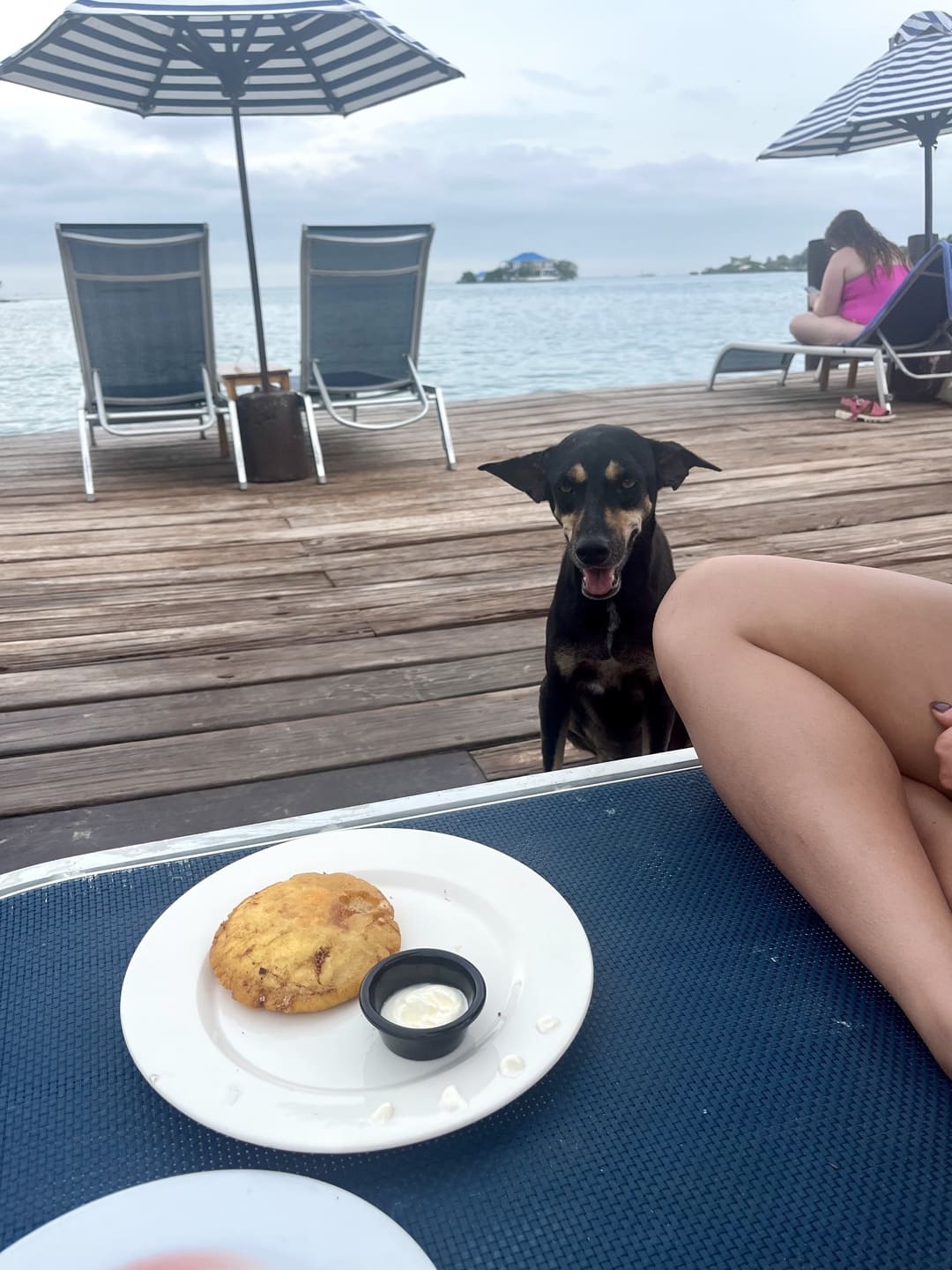
Sitting at beachfront restaurants, we were often joined by the real locals: friendly stray cats and dogs. As an animal lover, I shared my arepa with a very cute dog who kept me company as I lounged.
My Guide’s Local Recommendations
My beautiful guide, Andrea, grew up in Santa Marta and is giving you the insider's scoop.
- Take a guided tour around the historic center of Santa Marta
- Visit the Gold Museum and Catedral Basílica de Santa Marta
- Walk the Malecón de Bastidas waterfront promenade
- Take a day trip to Minca, a tiny town in the mountains with lots of waterfalls and ziplining
- Take a champeta dance class for an energetic Afro-Caribbean dance style involving fast footwork, hip movement, and joyous rhythm
- For a fun night out, check out Parque de los Novios and Callejón del Correo
- Order fun drinks and great food at Lulo Café Bar
- Try the waffles at Gñam Dolce and the ice cream at Gñam Gelateria
- Have a slice of pizza at La Muzzería or Ouzo
Tayrona National Park

Located where the Sierra Nevada mountains meet the Caribbean Sea, this protected area is a mix of dense jungle, rugged coastline, and incredible biodiversity.
We saw blue crabs, wild horses, howler monkeys, iguanas, capuchin monkeys, and even giant ants marching in perfect lines carrying leaves like something out of Indiana Jones.
At one point, a stray dog joined our group on a hike and walked alongside me for a while. He probably heard that I was sharing arepas with his friends.

Tayrona National Park is great for hiking, swimming, tubing, and relaxing by the beach. It’s easy to unplug here. WiFi is limited, so you can be more present. There’s also a magic tree in the national park that is said to take away your stress if you hug it. We each took a turn.
If the tree didn’t take away your stress, a margarita made by Jorge at Villa Maria hotel will. This jungle retreat had a pool, hammocks, beach access, and a pet parrot. What more could you ask for?
Extending Your Time In Colombia: Places To Visit Before/After Your Group Trip

If you have extra time, Colombia has so much more to see:
- Medellín - A growing digital nomad hub, Medellín has a fascinating history. Take a guided tour through Comuna 13 to learn about this city’s incredible transformation. There are lots of cafes and coworking spaces making remote work possible.
- Coffee Farms - Coffee is a major export for Colombia. Visit the mountainous regions for stunning natural beauty and an immersive “bean-to-cup” experience.
- Bogotá - Bogotá is the capital and largest city of Colombia. You may find your flight has an extended layover here, giving you time to explore. Explore the historic La Candelaria district, visit museums, and shop for handmade artisan goods.
- The Lost City Trek - This epic four-day pilgrimage passes through lush Colombian jungle, ending at Ciudad Perdida (the Lost City). The archaeological site is hidden in Colombia’s Sierra Nevada and is best seen in the dry season (December to March).
- Cali - Known as the salsa capital of Colombia, Cali has a lively energy. Enjoy good food, colorful murals, and interesting museums during the day, and dance in one of Cali’s many clubs at night.
- The Amazon - Join an Amazon expedition to venture deep into the wild jungle. Discover indigenous communities, search for wildlife, and adventure down the river.
Everything You Need To Know Before Your Trip To Colombia

Colombia can feel exotic to a lot of travelers. It’s very different from standard life in North America, and the unknown can cause people to hesitate to visit. Here is everything you need to know to feel prepared traveling to Colombia:
- Language - The national language of Colombia is Spanish. While the touristy areas speak English, it would be helpful to learn a few basic phrases of Spanish. The camera feature on Google Translate is incredibly helpful for reading menus or information plaques.
- Currency - The Colombian Peso (COP). Colombia is generally considered an affordable country and a good destination for budget-conscious travelers. You can get great food, coffee, activities, and souvenirs at a reasonable price.
- Weather - Colombia is hot and humid! You’ll want to pack lightweight, breathable outfits. Cities at higher elevations, like Bogotá, will be cooler, so it’s good to also pack layers. You should also expect rain and have a rain jacket ready.
- Health - You’ll want to avoid drinking tap water in most places in Colombia. Bring a reusable bottle and fill it up at filtered water locations, or bring a water bottle with a built-in purifier. I used my Grayl bottle to filter tap water. Located near the equator, the sun is extremely strong in Colombia. Wear SPF protection and remember to reapply sunscreen.
- Safety - Colombia has seen major improvements in the safety of its cities. Still, pickpocketing and harassment of tourists can occur. Keep your valuables hidden and remember the local rule of “no dar papaya”, meaning don’t give anyone an easy opportunity. With basic common sense, I felt safe throughout my entire trip.
- Internet Connection - You’ll be able to connect to high-speed WiFi in most cities and at your accommodations. If you are venturing into Tayrona National Park or the Amazon jungle, be prepared to lose connection. Get an eSim (Airalo, HolaFly, or FlexiRoam are good options) or activate your phone’s international day plans.
- Food - Colombian cuisine is hearty, flavorful, and diverse. As a vegetarian, I was always able to find something to eat. A few must-try dishes include Arepas, Bandeja Paisa, and Patacón.
For more advice on being prepared for a trip to Colombia, read 15 dos and don’ts while traveling in Medellin, Colombia.
Frequently Asked Questions: Colombia Edition
Is Colombia Safe For Solo Female Travelers?
Yes, Colombia is safe for solo female travelers when exercising basic common sense. Part of why I love traveling with Under30Experiences is that you get the added safety of a group. Even during your free time, you can pair up with a fellow solo traveler and have peace of mind that you aren’t alone.
What Should I Pack For Colombia?
The must-haves for Colombia include comfortable walking shoes, a lightweight rain jacket, sunglasses, and a refillable water bottle. Pack bright colors and wear lightweight clothing like sundresses, skirts, shorts, and t-shirts. Check out my complete Colombia packing checklist.
When Is The Best Time To Visit Colombia?
For sunny days and warm weather, visit Colombia during the dry season from December to March. Another great time to visit for whale watching is during the dry season of July to August. I visited in late November to avoid crowds.
¡Vámanos a Colombia!
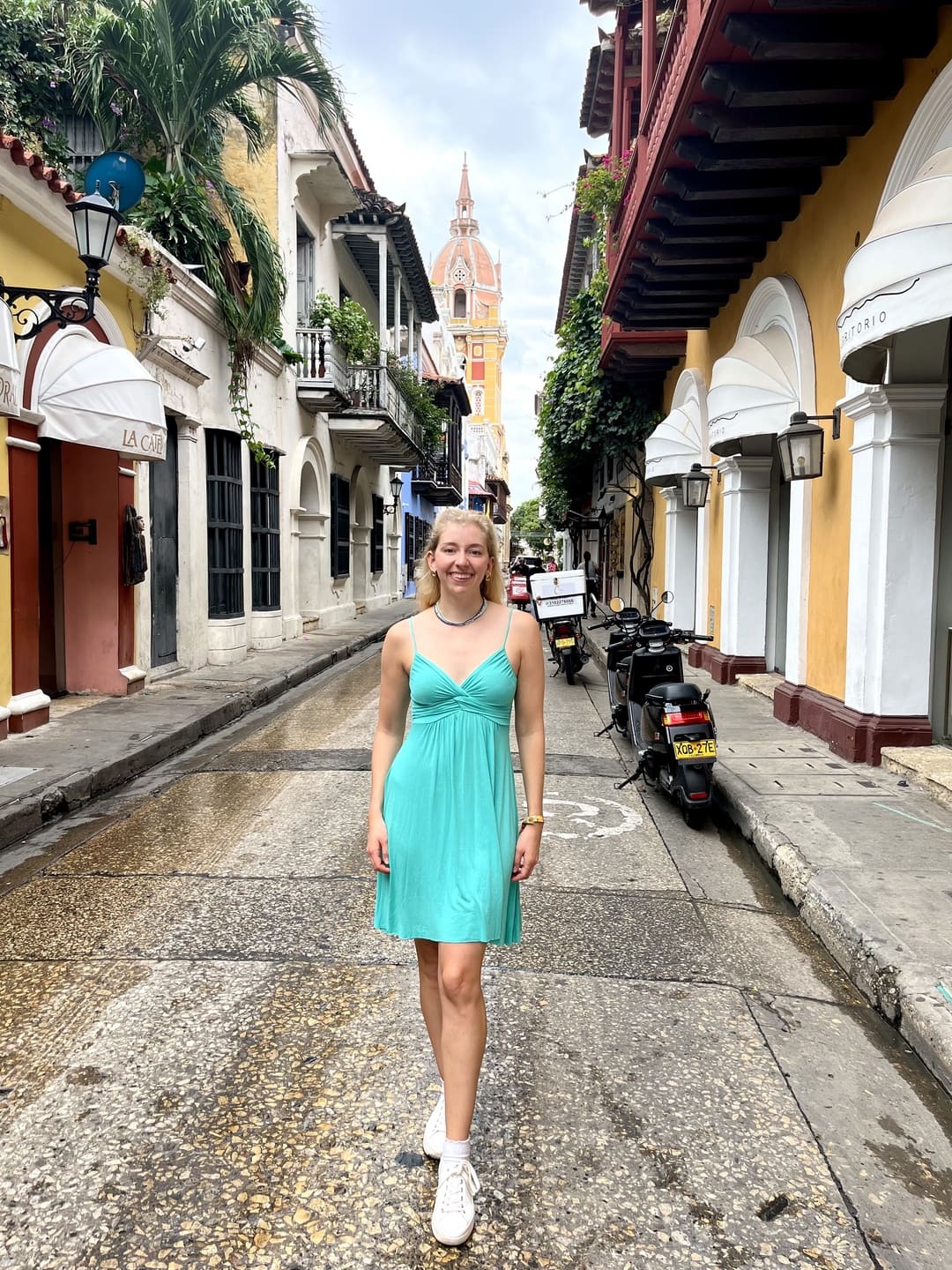
^^ (As you can see, my Spanish has greatly improved after a few weeks in South America, haha)
Visiting Cartagena, Santa Marta, and Tayrona National Park offers a diverse introduction to Colombia. It blends Afro-Caribbean culture, Spanish colonial history, and natural beauty into one trip.
On my last morning in Cartagena, I wandered through the quiet streets of Old Town one final time, and I wasn’t ready to leave. I felt like I had only scratched the surface of what Colombia has to offer.
If you’re just starting to dip your toe into Latin America like I am, check out all the wonderful trips Under30Experiences leads. From Machu Picchu to the Galápagos Islands, South America is full of adventure. My next trip is to Guatemala! Where will you go?