


.avif)


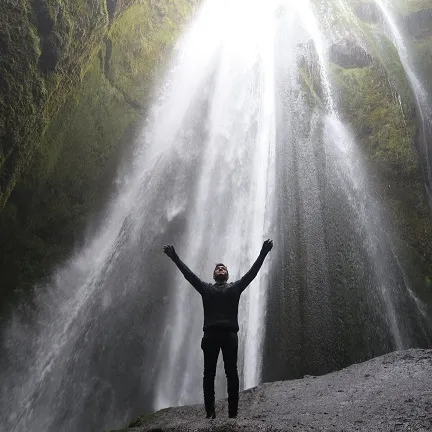


Tommy Lyczko here, Community Manager at Under30Experiences, which has been operating guided group trips in Latin America for several years, working with licensed local guides and vetted partners. When I first heard that Under30Experiences was launching a new trip in El Salvador, I was beyond excited. I knew that I had to be in the first group to go to the country that has made waves in the news headlines over the past few years and witness its unique character myself.
El Salvador has changed dramatically in the last several years, particularly in terms of safety. A destination that for a long time was seen as dangerous and off-limits to tourists is now not only one of the safest in Central America, but also boasts one of the lowest crime rates in the world. As a result, tourism in El Salvador is booming, and I was glad to spend some time exploring the country.
Below is a recap of my recent 5-day trip to our newest destination. For such a small country, El Salvador packs a big punch in terms of culture, nature, and places to see. I’ll cover the best places to see and things to do in El Salvador, what you can expect when you visit, and also share my thoughts on what makes El Salvador stand out and why you should visit.

In this El Salvador travel guide and trip recap:
- Is El Salvador Safe to Visit?
- El Salvador: Know Before You Go
- Who This Trip is For
- Must-Try Food in El Salvador
- Places to Visit in San Salvador
- Must-See: Las Rutas Flores (Flower Route)
- El Salvador Coffee Culture and Plantation Visit
- Beaches in El Salvador: El Zonte and La Libertad
Is El Salvador Safe to Visit?
Yes! El Salvador is safe to visit. As I touched on earlier, El Salvador has undergone a dramatic transformation over the last few years. Due to recent tough-on-crime policies, violent crime in El Salvador is the lowest it’s ever been and the country has become one of the safest in the world. Security and police are visible and highly present throughout the country, and it is safe to explore and enjoy the cities at night.
Our entire group had a safe and fun time for the duration of the trip and did not experience any safety incidents. We all felt safe and comfortable walking through the streets at night. It was reassuring to have our local guide with us to help us out, but the country truly felt safe and secure in all senses of the word.
“I definitely felt very safe,” says long-time Under30Experiences female solo traveller Irini Gaglos, who was also in my travel group. “It really was an easy and comfortable trip and one where you can really just relax and enjoy.”

El Salvador: Know Before You Go
Here’s a quick summary of El Salvador at a glance:
- Language: Spanish is the primary language spoken in El Salvador. In touristy areas and among those working in the hospitality and tourism industries, English is commonly spoken, but not as common as other popular destinations in Central America like Costa Rica, for example.
- Climate and weather: El Salvador has a tropical climate with a rainy and dry season. The rainy season brings high humidity and heavy precipitation from May through October, while the dry season is marked by sunny weather and cooler evening temperatures from November to April.
- Currency: El Salvador is one of the few foreign countries that has adopted the US Dollar (USD) as its official currency. El Salvador also adopted Bitcoin as legal tender, so you will spot Bitcoin ATMs every now and then throughout the country. However, paying in Bitcoin is not as popular as USD.
- Cash or Card?: Major credit and debit cards are accepted in most established businesses in major cities and beach towns. They are also mostly accepted in smaller towns. However, it’s good to keep small denominations of cash ($10 bills and less) for everyday transactions, especially outside of the capital. Note that some gas stations will have a minimum transaction amount for paying with card (typically $1–2 USD).
- Tipping?: Tipping 10–15% for excellent service is customary in El Salvador. In many sit-down dining establishments, particularly when dining as a group, a 10% tip is already included in your bill. In these cases, any additional tip on top of that is purely optional.
- Affordability: Compared to the U.S. and other countries in Central America, El Salvador prices are lower across the board. Restaurants in the capital and services geared towards tourists will charge premium prices, but are generally more affordable than other countries in the region.
Who This Trip is For
Our El Salvador group travel trip is perfect for:
- Solo travelers in their 20s & 30s
- First-time Central America travelers
- Adventure & beach lovers
- People who want off-the-beaten-path without planning stress
Our trip had an amazing group of 16 people from across the country (and also a traveler from Brazil). 16 travelers is our maximum head count for all Under30Experiences trips to ensure a friendly, personable atmosphere. You’ll actually get to personally know everyone you travel with and in many cases come away from your trip with lifelong friends! Most of the travellers on my trip were in their late-20s to early-30s, with some a little younger and others a little older. My group had great energy and getting to know them and share memories together was the highlight of my trip!

“I loved the mix of adventure, sightseeing, and relaxing!” says Irini Gaglos.
Check out the Under30Experiences El Salvador itinerary and make new friends on your 5-day adventure!
Must-Try Food in El Salvador
Salvadoran cuisine offers unique and delicious flavors for visitors to try! The most ubiquitous Salvadoran dish found throughout the country is the pupusa, El Salvador’s national dish. Pupusas are stuffed dough pockets filled with a variety of different fillings for you to choose from, but traditionally contain pork (chicharón), cheese, and red beans. The dough is traditionally made from corn flour, but if you have the opportunity to try some made from rice flour, give those a try as well! Pupusas are typically served with a green salad and tomato-based sauce on top. It’s typical to eat between two and four pupusas for a full meal, or just one as a snack.
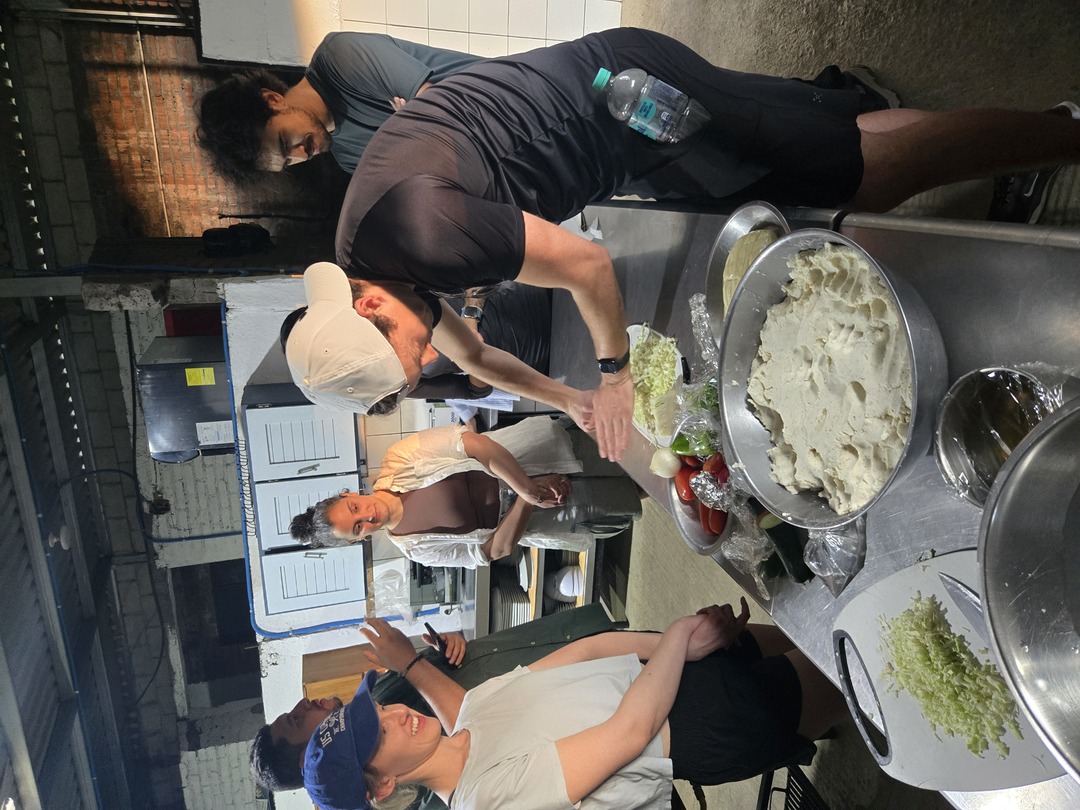
Want to go deeper than sightseeing the usual hot tourist sites? Learn to make authentic pupusas in El Salvador and learn about these important cultural traditions directly from the locals themselves on the Under30Experiences El Salvador trip! Check out the full El Salvador itinerary to see all the fun activities you’ll take part in.
“Pollo indio” is a local breed of chicken found in a variety of dishes in El Salvador and tastes quite different from chicken you may have had in the past. This chicken is typically organic and free-range, resulting in a tougher, muscular texture of the meat, but provides a rich earthy flavor. You can find such chicken in soups at restaurants, as well as enjoy the chicken grilled with a side of rice and beans.
Side dishes in El Salvador are typical of other Latin American cuisines: rice, sweet plantains, and refried beans. However, Salvadoran refried beans carry a more robust flavor and much smoother texture than the refried beans you may have had at home or elsewhere. That’s because Salvadoran refried beans are typically made from red beans instead of pinto beans. The resulting dish is much more flavorful than the refried beans you get from a can at the supermarket back home.
Places to Visit in San Salvador
San Salvador is the capital of El Salvador and home to the airport you’ll most likely be flying into. The country is a draw for those looking to enjoy El Salvador’s natural beauty outside of the capital, but don’t overlook the capital city! There are plenty of points of interest to visit in San Salvador that are worth checking out before you head outside the city.
Here is a short list of the can’t-miss places to check out in San Salvador:
- Centro Histórico: The central plaza in San Salvador has long been a place for locals to gather and socialize, particularly in the evening and during weekends. Admire the historical colonial architecture of the buildings on the main square as they blend together with the ultra-modern buildings that surround them, serving as a visual representation of El Salvador’s transformation and mix of the traditional and the new.
- National Palace of El Salvador: Once the seat of power for the Salvadoran government, this stunning building is now a museum that offers guided tours. The various rooms and courtyards within the complex are absolutely beautiful, and you can see several elements of this iconic building that were inspired by the White House in Washington D.C. Located in the Centro Historico, a walkthrough of the palace is a must for first-time visitors to El Salvador.
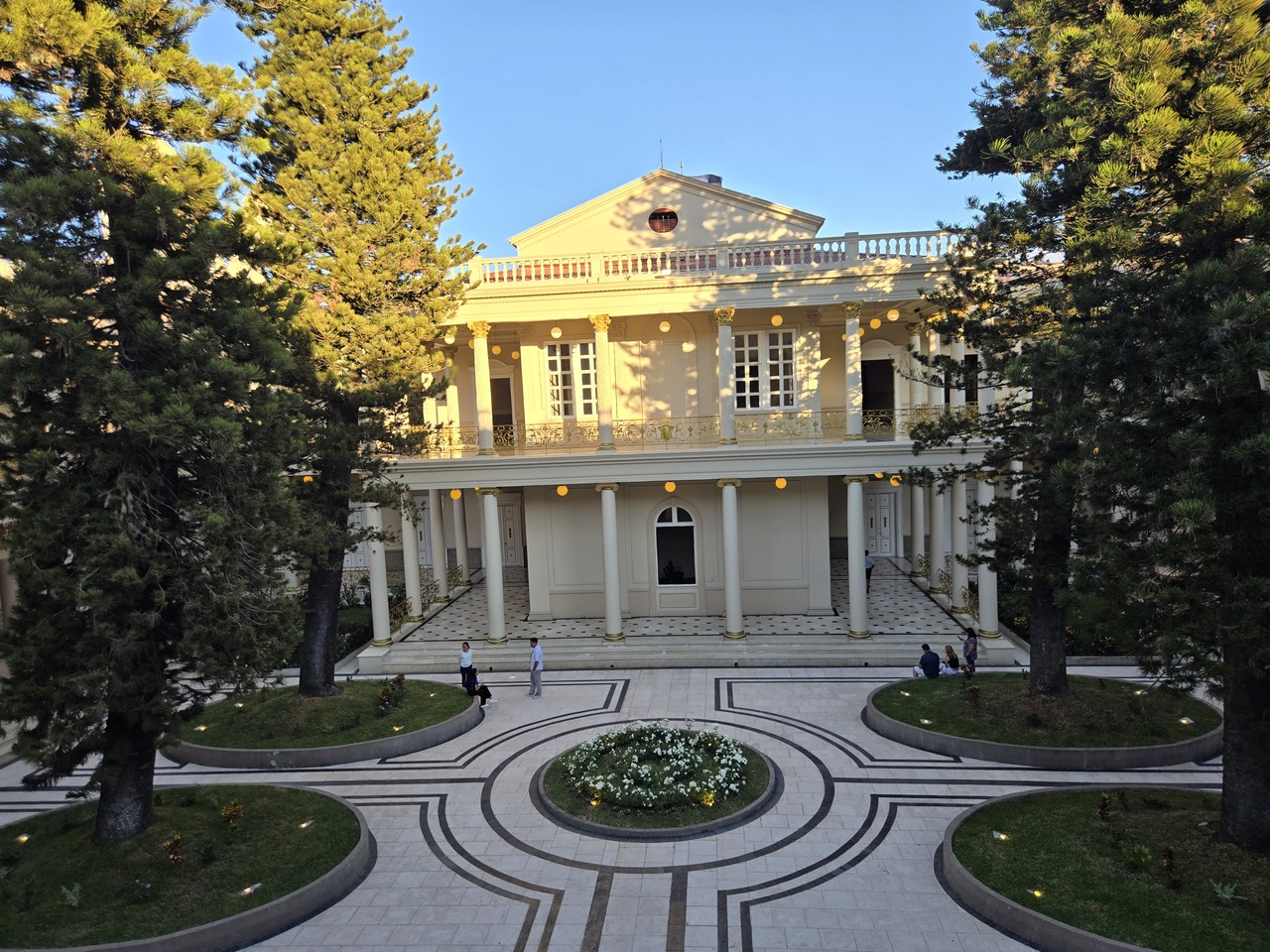
- National Library of El Salvador: Contrasting the over 100-year-old buildings that it shares a plaza with, the Biblioteca Nacional de El Salvador (BINAES) is an impressive piece of architecture and serves as a multistory public library for San Salvadoran residents. There is a large balcony on one of the higher floors overlooking the Centro Histórico that makes for the perfect photography spot. A great place to take sunset photos late in the afternoon!

- Zona Rosa: The Zona Rosa is one of the upscale and cosmopolitan neighborhoods in San Salvador. Here you will find a wide selection of restaurants of all different types of cuisine, shopping malls, city parks, and a few museums. It’s an ideal home base for your hotel while in San Salvador due to its convenient location and amenities. It’s also a great place to walk around and explore on foot as it’s quite compact compared to other areas of the city.
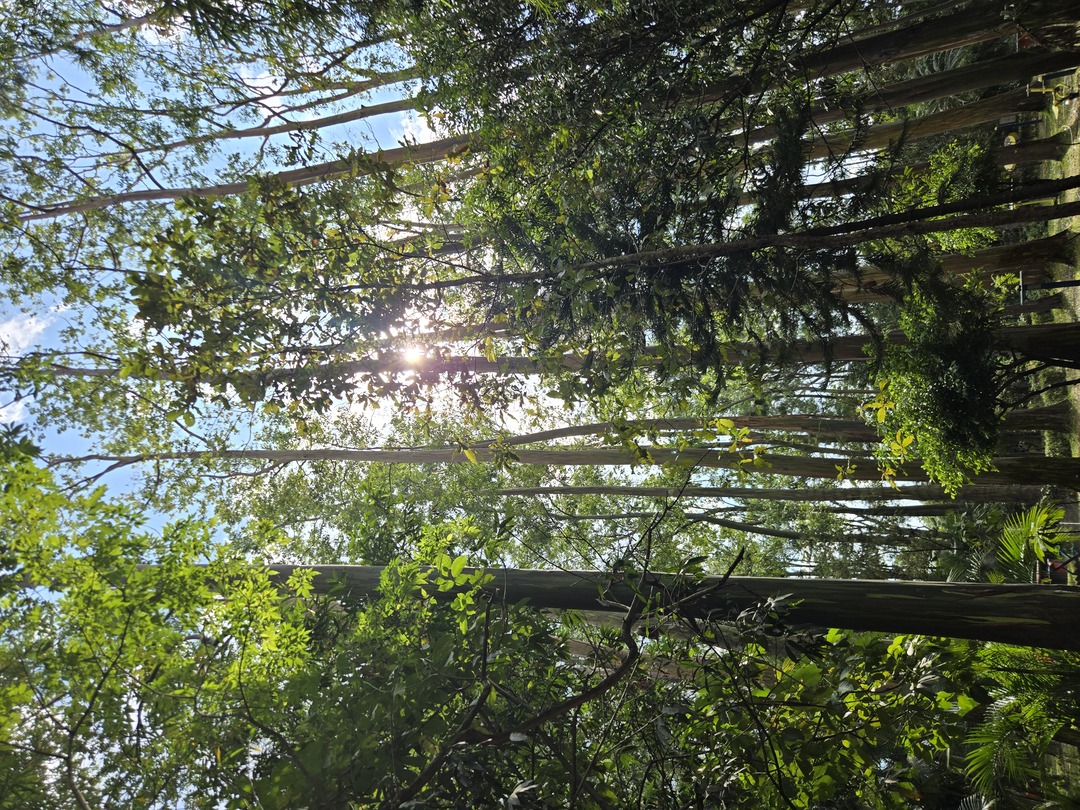
- Parque Maquilishuat: Located between the touristy neighborhoods of Escalón and Zona Rosa, this city park is convenient to add to your itinerary for a quick detour. The calm and peaceful oasis of the greenery contrasts the developed, urban environment that surrounds it. I found the park to be a unique feature of the city, and there are several similar city parks throughout San Salvador worth exploring!
- Alquimia Coffee: Salvadorans love their coffee, a major export for the country and recognized internationally for its high quality. The artisan scene is huge in San Salvador, with Alquimia Coffee being seen as the best in the country and is named among the Top 100 Coffee Shops in the World. Alquimia Coffee elevates coffee preparation to a high art and precise science. Although I’m no expert, it is the single best cup of black coffee I’ve ever had.
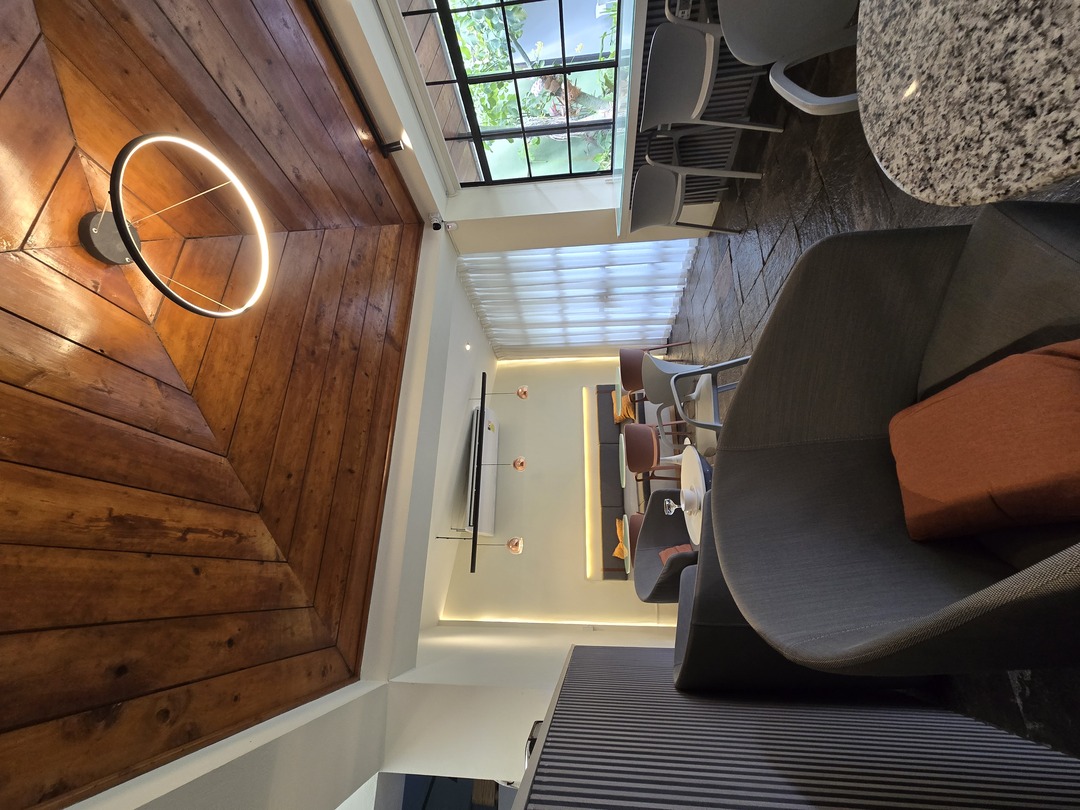
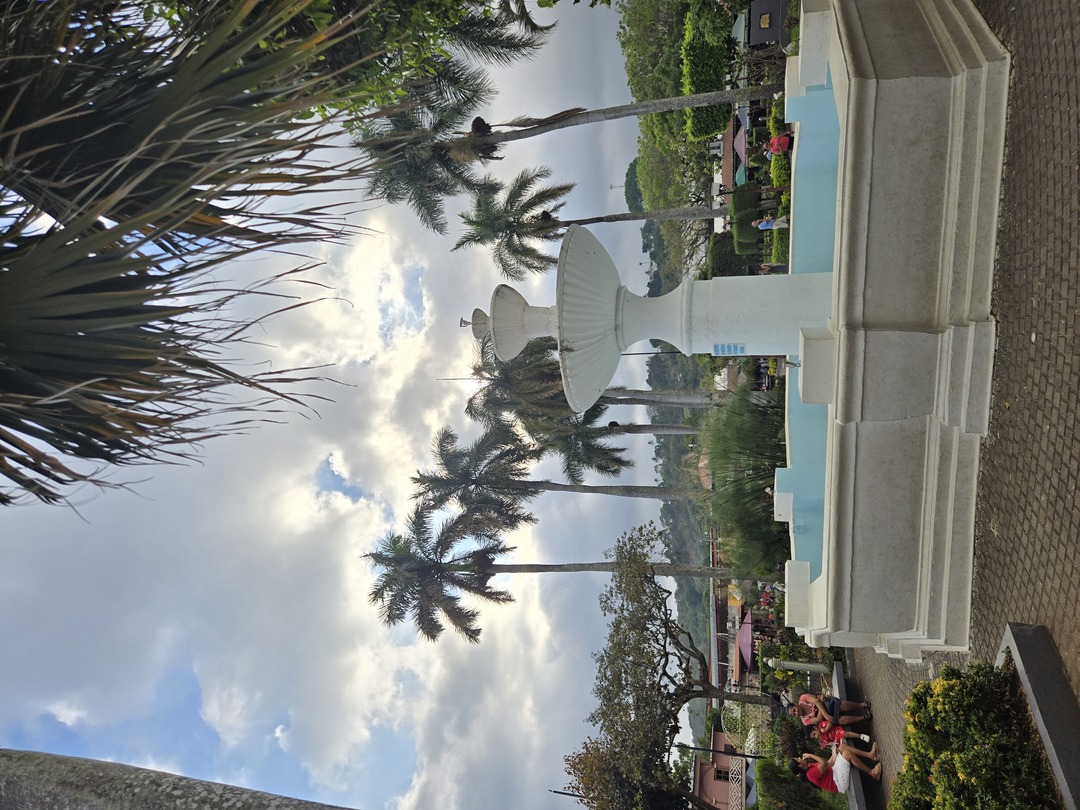
La Ruta de Flores (Flowers Route)
La Ruta de Flores contains a trail of small colonial towns located along the picturesque backdrop of lush green landscapes, mountains, and volcanoes. Popular among tourists both foreign and domestic, the five towns that make up the Flower Route capture the history and culture of the indigenous groups in El Salvador, especially the Nahua-Pipil. Our local guide, Josue, did an excellent job teaching us about the complex indigenous history of the area and a lot of my group found it interesting.
For me, this was the first time I’ve seen volcanoes up close. Seeing so many and hiking right in front of them was a stunning and unique experience. If you’re also looking for a place to see volcanoes, including a few active ones, you’re in luck: El Salvador has over 100 volcanoes throughout the country!
“The views were absolutely stunning,” raves Under30Experiences traveller Irini Gaglos. “I loved having lunch overlooking the lake and greenery. It was such a breathtaking view and it reminded me of how beautiful this world is.”
Ready to explore unique landscapes with a group of like-minded travelers? Learn more about the Under30Experiences El Salvador group travel trip and book your next adventure.

Coffee Plantation Tour and Tasting
Coffee farming is a major part of the Salvadoran economy. I was glad I had the opportunity to learn more about the process of coffee cultivation and what makes Salvadoran coffee stand out from the rest. The crops and cultivars of coffee are unique in their quality and farmers in El Salvador give careful attention to their crops that larger coffee plantations elsewhere cannot due to their scale. The end result is a decadent coffee flavor that is exported and celebrated all over the world. My group agreed when asked: much better than coffee from back home!

The process of cultivating coffee is interesting, and something that regular coffee drinkers might not think about often. I found the tour educational and surprisingly fun and I got some hands-on experience picking coffee beans. Even if you don’t drink coffee, chances are you’ll still find the history, culture, and farming process behind it fascinating and you’ll learn a lot.
Beaches in El Salvador: El Zonte and La Libertad
Beach days are a top activity for visitors and locals alike. Several beaches on the Pacific side feature black sand made from the erosion of volcanic matter. The waves from the ocean are strong but not too high, making them ideal for surfing. El Zonte in particular is a well-known surfing spot where visitors can take surf lessons and learn how to catch a wave in no time.
On our trip, we had the chance to reserve spots at the beach club, which I highly recommend to enjoy the full beach day experience. The gorgeous beach views from the second floor bar and restaurant make a day of fun and relaxation a breeze.
La Libertad is a beach town near El Zonte that features a long boardwalk with vendors, markets, and many hangout spots for families, tourists, and everyone in between. It’s a lively place that’s perfect for snapping sunset photos or enjoying a local snack with your friends.

El Zonte and La Libertad are about a 2 hour drive from San Salvador (depending on traffic), making a day trip definitely feasible. After a few days of exploring and being in nature, a beach visit is a popular and great way to close your trip to El Salvador.
Should I visit El Salvador?

Absolutely! El Salvador is a truly spectacular country to visit that is worth experiencing for yourself. It’s the ultimate place for nature, adventure, and good food. El Salvador hits the same familiar beats as other Latin American destinations, but with the additional uniqueness of rich Salvadoran culture. Ready to take that flight and have the trip of a lifetime? Check out the full itinerary for our 5-day El Salvador trip!


